OUR STRATEGY
WE INVITES YOU TO
IN OUR UPCOMING ACTIVIES FOR 2026
GREENFUTURE SUSTAINABLE INITIATIVE ZAMBIA
ACTIVITIES FOR 2026
ONGOING ACTIVITIES:
CONDUCT HYGIENE EDUCATION WORKSHOPS.
Conduct workshops in schools, Churches, and community centers.
Educating varies handwashing techniques, safe water handling, food hygiene and waste disposal.
Use demonstrations and interactive games to engage children and youth.
CONDUCT COMMUNITY CLEAN-UP CAMPAIGNS
Organized monthly clean-up drives in markets, bus stations and residential areas.
Mobilized local volunteers, youth groups, and women's cooperatives.
Promote proper waste segregation and recycling practices.
FACILITATING HANDWASHING STATIONS
Installing low-cost sustainable handwashing facilities (tippy taps) in schools and public spaces.
Provide soap and hygiene kits to vulnerable households.
Train community members on how to use and maintain facilities.
CREATING SCHOOL HYGIENE CLUBS
Establishing hygiene clubs in primary and secondary schools.
Train students to act as hygiene ambassadors, spreading awareness among peers and families.
Hygiene clubs activities would include poster making, drama performances, and fun hygiene based competition games.
CREATE Create collaborations with health authorities.
Partnering with local clinics to run awareness campaigns on preventing cholera. typhoid, and diarrheal diseases.
Distribute educational leaflets in both English and local languages.
Supported vaccinations and hygiene sensitization.
INTENDED OUTCOME:
Increased handwashing compliance in schools and publics areas.
Improved community participation in clean-up campaigns.
Greater awareness of the link between hygiene and health.
Strengthened partnerships between community groups and local authorities.
NEXT MILESTONE ACTIVITIES:
Expand hygiene clubs in more schools.
Scale up installation of handwashing stations.
Develop radio and digital programs to reach wider audiences.
Monitor and evaluate impact through surveys and community feedback.
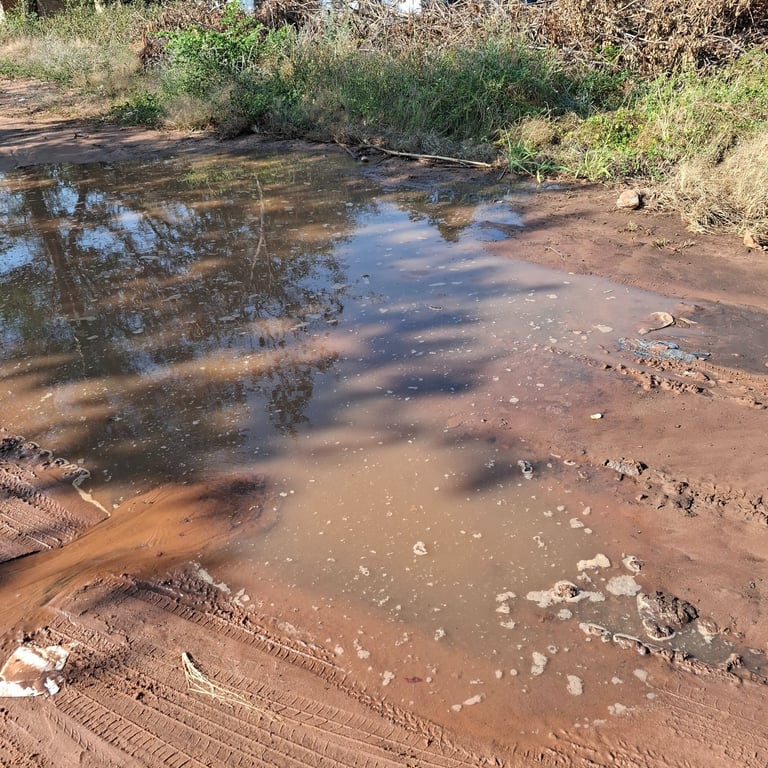
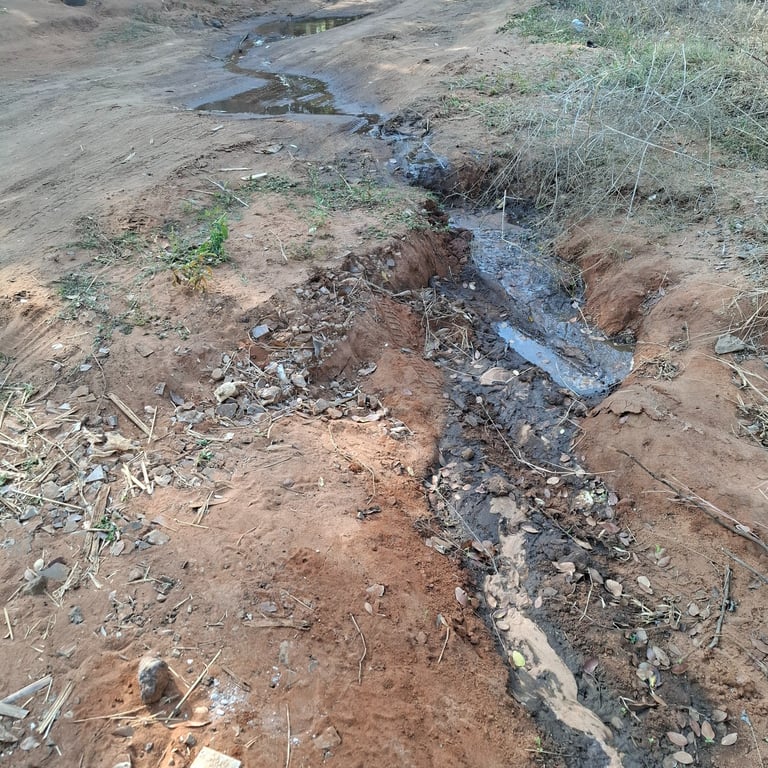
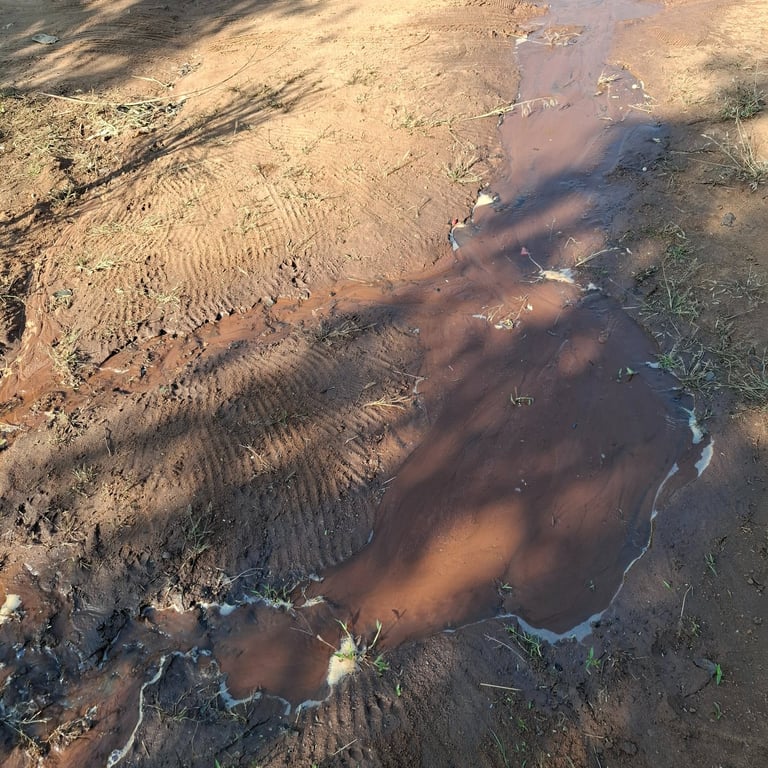
Poor Drainage and Sanitation
Green Future Sustainable Initiative (GFSI) is a Zambian non-profit organization dedicated to promoting sustainable development, community empowerment, public health, environmental protection, and social justice. The organization would like to work closely with local authorities, community leaders, and vulnerable populations to improve access to basic services, strengthen citizen participation, and enhance community resilience. GFSI wants to implement projects in water, sanitation and hygiene (WASH), civic engagement, environmental conservation, youth empowerment, and community health promotion. Through participatory approaches, the organization mobilizes communities to identify local challenges and implement practical, sustainable solutions that improve livelihoods and public well-being.
Malota Community in Livingstone Zambia faces serious sanitation challenges caused by poor drainage, blocked and poorly maintained sewer systems and water leakages. Wastewater frequently overflows into residential areas, creating stagnant pools of contaminated water that expose residents to waterborne diseases such as cholera, dysentery and diarrhea. The problem is worsened during the rainy season when flooding spreads sewage into homes, schools and public spaces. Many households in Malota do not have adequate knowledge on sanitation practices and proper waste disposal, resulting in recurring blockages. Approximately 5,000 residents are directly affected by poor sanitation conditions that threaten public health, environmental quality and community well-being. Immediate intervention is required to unblock critical sewer lines and improve water and sanitation infrastructure The project emphasizes community ownership and sustainability through the establishment of a Community Sanitation Committee responsible for monitoring sewer conditions and coordinating regular cleanup activities. Community volunteers will be engaged on sanitation management and environmental hygiene. Awareness will encourage long-term behavior change regarding waste disposal and sewer maintenance. Collaboration with local authorities will facilitate continued technical support and integration of sanitation concerns into local development plans. The project will create a foundation for future sanitation improvements and reduce the likelihood of recurring sewer blockages, contributing to sustained improvements in environmental health and community well-being.
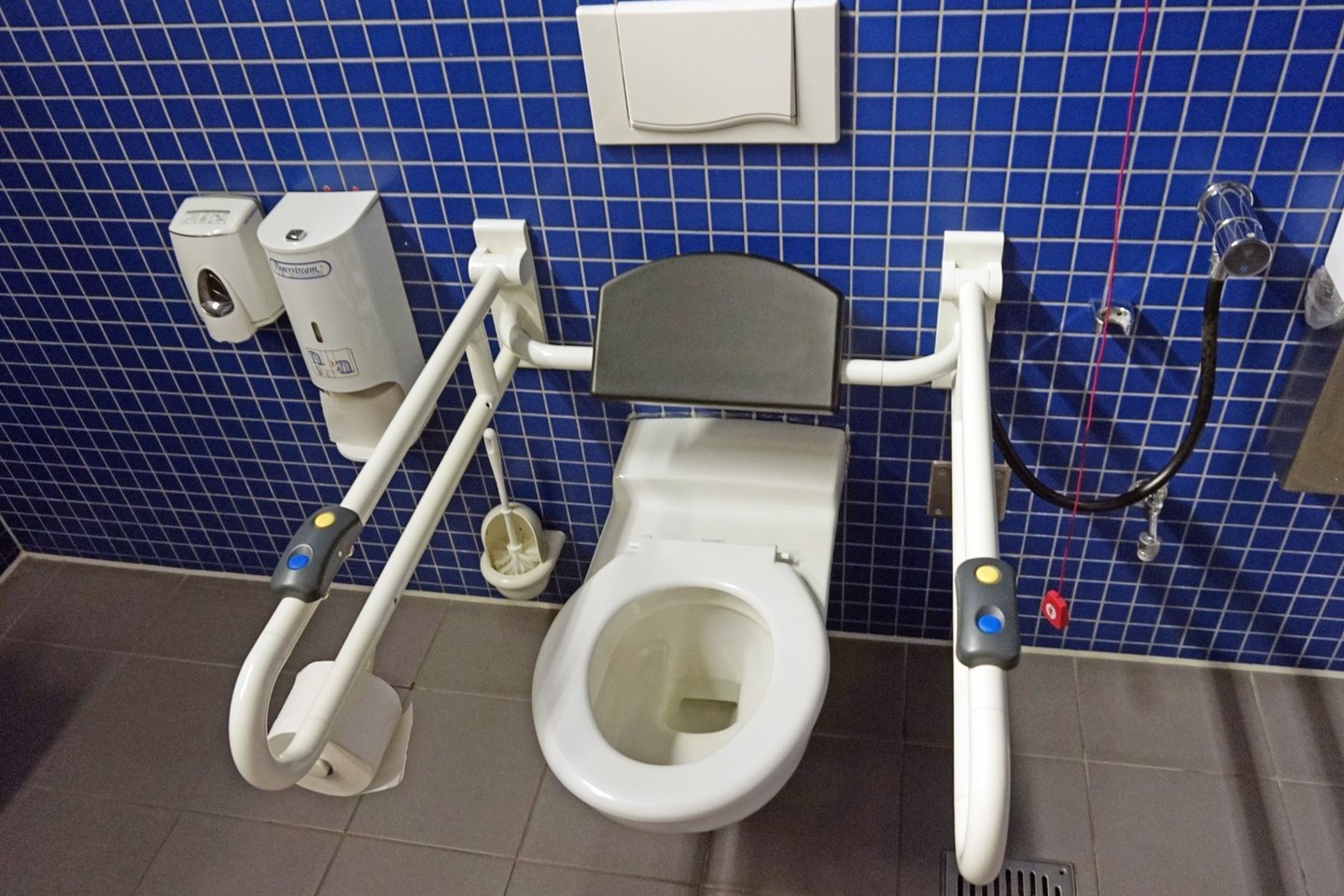
Mitigating the Experience of People with Disabilities in Society
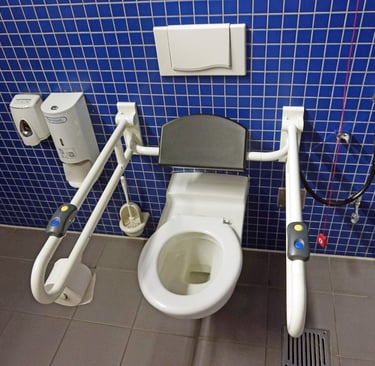
Access to equitable and inclusive healthcare remains a major challenge for persons with disabilities in Zambia, despite progressive legal and policy frameworks. Zambia ratified the United Nations Convention on the Rights of Persons with Disabilities (UNCRPD) in 2010 and enacted the Persons with Disabilities Act No. 6 of 2012, which guarantees access to healthcare, rehabilitation services, and assistive technologies. However, implementation gaps continue to limit the realization of these rights in practice. National data shows that disability is a significant public health and development issue in Zambia. Estimates indicate that between 7.2% and 7.7% of the population that is approximately 1.5 million people live with disabilities, with higher prevalence among adults at 10.9%. Despite this, persons with disabilities remain among the most underserved populations in accessing healthcare services. In terms of access, the Zambia National Disability Survey (2015) found that at least 1 in 10 persons with disabilities experience accessibility challenges when using public services, with barriers being more severe outside the home environment. In rural and pier-urban areas, services are frequently unavailable altogether, further compounding exclusion. Persons with disabilities in Zambia face challenges from awareness of services to utilization. These include lack of accessible infrastructure, long distances to facilities, high transport costs, stigma, and limited knowledge among healthcare providers on disability-inclusive care. For example, individuals with physical or visual impairments often struggle to reach health facilities due to poor road conditions and lack of assistive transport, sometimes requiring caregivers to carry them over long distances. Further, many health facilities lack basic disability-friendly infrastructure such as ramps, accessible toilets, appropriate signage, and adjustable examination equipment. Additionally, healthcare workers often have limited training in disability inclusion and communication skills such as sign language, resulting in ineffective service delivery and, in some cases, discrimination or neglect. Communication barriers are particularly severe for persons with hearing and visual impairments, who may not receive accurate diagnoses or treatment instructions. Evidence indicates that persons with disabilities often experience poorer health outcomes compared to the general population, partly due to delayed care-seeking and unmet health needs. Women and girls with disabilities face even greater vulnerabilities, including increased exposure to gender-based violence and limited access to sexual and reproductive health services. Livingstone district has a growing population of persons with disabilities, yet most health centers and posts remain inadequately equipped to provide inclusive services. Community consultations conducted by Green Future Sustainable Initiative and local disability groups have identified major gaps, including inaccessible infrastructure, absence of assistive communication tools, and lack of trained personnel. These barriers result in low utilization of health services among persons with disabilities, increased reliance on caregivers, and preventable health complications. Despite the presence of over 3,000 health facilities nationwide, including government, private, and faith-based institutions, accessibility and inclusivity is inconsistent and often inadequate.
OUR OTHER ONGOING ACTIVITIES AND PROGRAM FOR 2026
HOW TO JOIN US
Fill in the fields below and submit your request to join us on our journey to a greener and healthier future.
Join us in making a greener and healthier future, together we can make it happen.
OUR PROGRAMS
And if you would like to know about what we do before committing to join us. You can check out our programs. Learn more about what we do, how we do it and why we do it.
CONTACT US
You can contact us via any of the contacts below
Email:
greenfuturengo2026@gmail.com
Call:
+260977762245
+260955762245
© 2026. All rights reserved.
Location:
Address: Plot 2613/18 Sunbird Street, Off-Airport Road, Livingstone, Zambia